- calendar_today April 26, 2026
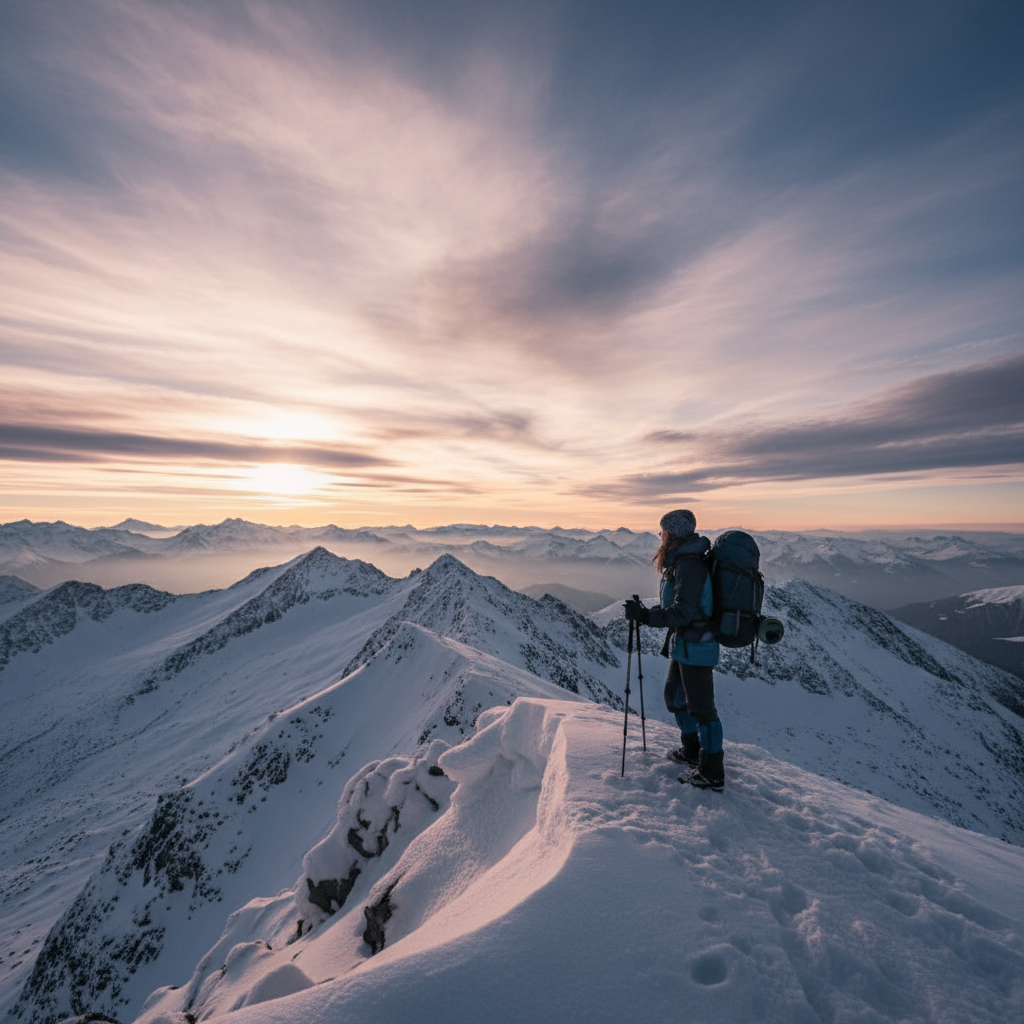
Utah’s rugged mountain landscapes are drawing attention for more than their scenic vistas, as the phenomenon of alpine divorce gains traction in social discussions about outdoor safety and relationship dynamics. The term describes incidents where a male partner abandons a female companion during challenging mountain activities, often placing the less experienced participant in perilous situations.
Understanding Alpine Divorce in Outdoor Settings
Alpine divorce refers to the sudden and sometimes dangerous act of partner abandonment during adventures in the wilderness. Though the term originated in mountaineering circles, recent cases have brought it into the spotlight, raising concerns across Utah’s outdoor community. These incidents can occur during arduous hikes or climbs, leaving individuals stranded and vulnerable to the elements and other mountain dangers.
The Role of Relationship Dynamics on the Trail
The power imbalance that arises within couples during mountain hiking is at the heart of many alpine divorce cases. Experts caution that the person setting the pace and route is often in a position of authority, which can be manipulated—consciously or not. This imbalance can foster an environment where emotional and physical distancing emerges, echoing deeper relationship dynamics beyond the trailhead.
Psychological Insights: Avoidant Attachment and Emotional Withdrawal
Behavioral psychologists, like Jo Hemmings, attribute this pattern of emotional withdrawal to what’s known as an avoidant attachment style. People exhibiting these tendencies seek distance under pressure, often withdrawing in critical situations. On Utah’s trails, this can manifest as a companion suddenly leaving their partner behind—sometimes with disastrous outcomes. The phenomenon reinforces the importance of communication and mutual responsibility in shared outdoor pursuits.
Real-Life Incidents Highlight Outdoor Safety Risks
High-profile tragedies serve as stark reminders of the risks. In Austria, a well-publicized case saw a climber convicted after leaving his girlfriend behind, resulting in her death due to exposure. Similar stories resonate closer to home. On the John Muir Trail in California, Laurie Singer’s encounter with abrupt abandonment underscores the importance of preparedness and self-reliance—values that Utah hikers are urged to adopt amid increasing recreational activity on local peaks.
The Urgency of Outdoor and Hiking Safety
In Utah, where mountain pursuits are integral to local culture, prioritizing outdoor safety and hiking safety has never been more critical. Community organizations, such as the Utah Avalanche Center, encourage education on safety protocols and cultivating trust among hiking partners. Discussions of alpine divorce further highlight the necessity of clear boundaries and contingency planning for emergencies.
Gender and Toxic Relationships in Utah’s Wilderness
The issue also exposes broader gender dynamics and the potential for toxic relationships to spill into physical adventures. Studies suggest that while both men and women can find themselves abandoned, women—particularly less experienced hikers—face a higher risk of being left in dangerous situations. This gendered pattern has prompted calls for empowerment and education to ensure all participants have the skills needed for self-sufficiency and resiliency in uncertain terrain.
A Call to Awareness for Utah’s Outdoor Community
As awareness of alpine divorce grows in Utah, so too does recognition of the psychological and physical complexities involved in outdoor excursions. The phenomenon stands as both a warning and an impetus for fostering stronger, more respectful partnerships on the trail, and for addressing relationship issues before embarking on demanding adventures. Mountain enthusiasts are encouraged not only to respect nature but also to ensure that the trust underpinning group activities is never taken for granted. Such vigilance can mean the difference between an inspiring journey and one shadowed by loss.