- calendar_today August 7, 2025
Salt Lake City’s skyline is growing steadily upward, and suburbs like Lehi, Provo, and Ogden are expanding accordingly. Once known for expandable neighborhoods and mountain access, Utah now faces intense housing competition. Home values have increased far faster than incomes, leading to sticker shock even for longtime residents. As buyers stretch budgets to accommodate rising home prices, they are also facing changes in insurance policies that amplify financial risk.
Skyrocketing Home Prices Shift Buyer Behavior
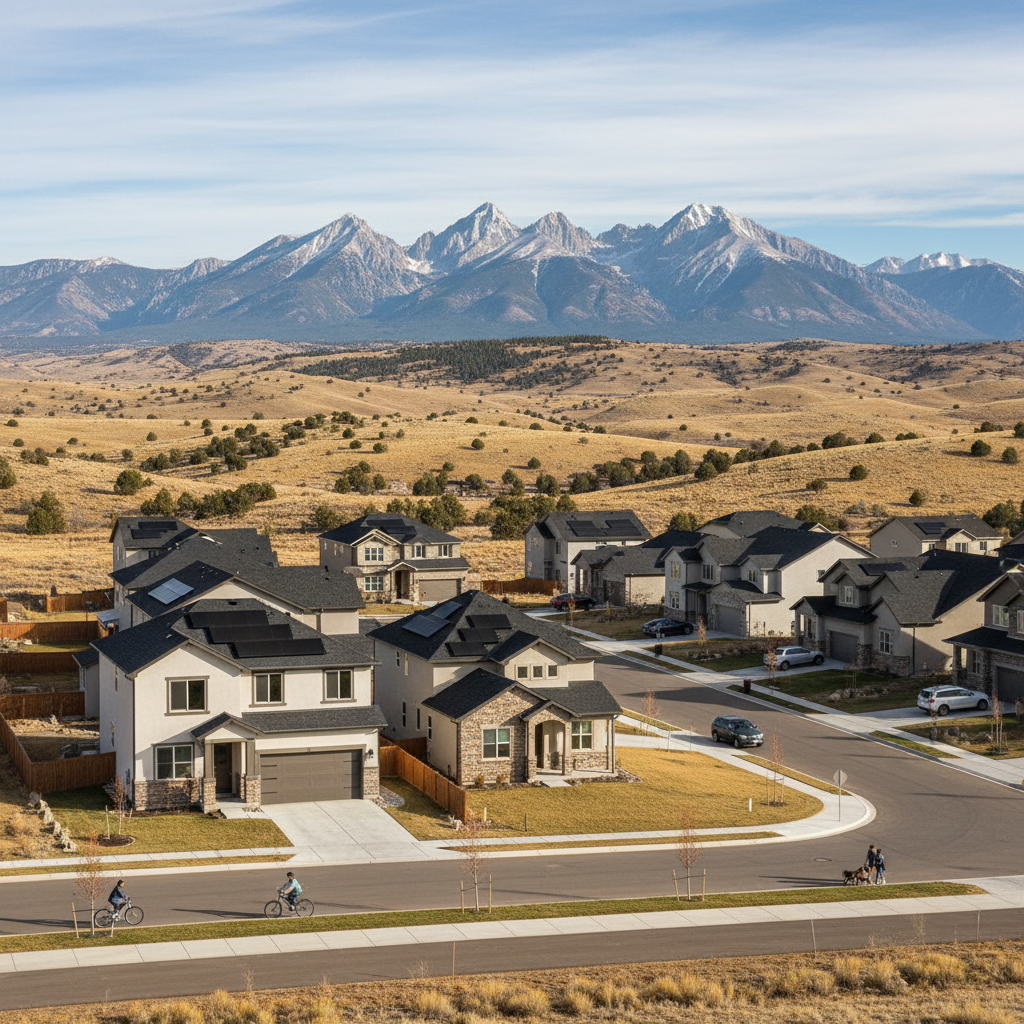
Home prices in much of the Wasatch Front have nearly doubled over the past five years. Available data shows median home values in Salt Lake County climbing past $530,000, while Davis and Utah counties reach similar heights. Prospective buyers scroll through listings in disbelief, calculating payments for homes that once sold for half the price. For those still on the fence, the choice often comes down to trading longer commutes for affordability—driving demand westward toward Tooele or north to Weber and Box Elder counties.
Insurance Costs Become the Next Frontier
The housing surge is not the only stressor. Insurers, responding to increased claims related to wildland fires, convective storms, and flooding, are revising their policies. Deductibles are climbing sharply, particularly for properties near mountains or rural areas at risk of wildfire or river inundation. Where deductibles once hovered around $1,000, many now sit between $3,000 and $6,000, tied to both home value and event type. This shift leaves homeowners responsible for substantial upfront costs at a time when budgets are already stretched.
Climate Risks Compound the Pressure
Utah’s wildland-urban interface has grown as development reaches foothills and untouched ridges. Summer heat and low humidity frequently spell heightened wildfire seasons—places like Paradise and Kaysville have seen previously unseen evacuation orders. Meanwhile, rare but sudden flash floods from summer thunderstorms impact communities near dry creek beds and low-lying areas. Insurance underwriters now see Utah as a state of dual environmental risk: fire and flood, homes and sky in precarious balance.
Personal Stories Illuminate the Trend
In Draper, a family replaced a roof after lightning strikes and ensuing water damage. Their replacement estimate came to $12,000, but their deductible was over $4,500. The choice wasn’t obvious. They settled on financing the repair themselves to avoid triggering rate hikes. In Logan, an elderly homeowner faced a similar dilemma when hail dents destroyed her solar panels; the damage estimate barely cleared her $3,800 deductible, prompting a decision to self-fund to preserve decades of clean-claim history.
Homebuyers Reassess Budgets & Pathways
Utah Realtors report that insulation against additional costs—like insurance deductibles—has emerged as a standard negotiation point. Buyers increasingly add cash cushions for insurance, repairs, and maintenance. Offers now often reference not just price but cash held back for unforeseen repairs. In communities like St. George, where heat and wildfires are intensifying, agents are advising clients to ask about deductible structures before making offers.
Risk Mitigation Moves Beyond Insurance
Homeowners have begun proactive measures to reduce weather-related risk and thereby ease insurance pressure. Roof hardening, ember-resistant siding, and defensible-space landscaping are growing trends—even before any wildfire threat touches the property. Some municipalities offer wildfire retrofit grants for those same features. In Sandy and Midvale, where storms frequently knock down power lines, residents have invested in underground utilities and storm straps to save on premiums and protect investments.
Rural vs. Urban Divergence in Insurance Availability
In Salt Lake City and Provo, homeowners benefit from multiple competing carriers, allowing access to better rates and flexible deductible options. Conversely, residents in rural counties like Carbon or Emery face limited choices. Fewer carriers operate there, and policy terms often include higher deductibles or outright coverage refusals if wildfire proximity crosses risk thresholds. Some rural homeowners are even told they must secure private insurance at premium rates or extend coverage through state-managed pools.
Local Government Steps Into the Fray
City councils and county offices are stepping up with education campaigns. Workshops in Payson, Cedar City, and Vernal walk residents through renewal notices, highlighting deductible changes, timeline adjustments, and claim triggers for wildland fire and flood. Grants and low-interest loan programs help low-income homeowners handle deductible expenses without resorting to credit cards or predatory lending.
Stabilizing Through Strategic Planning
Experts suggest that purchasing a home in 2025 in Utah now requires a three-tiered plan: securing mortgage terms, building surety funds for insurance deductibles, and completing weather-mitigation upgrades. Real estate attorneys in Salt Lake now handle clauses related to deductible caps and payout conditions. Home inspection reports increasingly include sections on risk features—distance to foothills, elevation relative to drainage, and hail history.
Legislative & Insurance Industry Responses
Statewide, lawmakers are considering better disclosure mandates—requiring insurers to deliver bold, summarized deductible changes before renewal deadlines. Some carriers are piloting “deductible smoothing” programs where homeowners pay small monthly fees in exchange for reduced claim-day liabilities. While details remain in early phases, insurers and regulators agree the aim is to balance affordability with financial solvency.
Long-Term Outlook: Resilience and Innovation
Utah’s housing market remains strong, but its future success depends on resilience—physical, financial, and institutional. Those prepared with savings, updated policies, and hazard-aware home designs will weather the storm better—literally and figuratively. Realtors expect a slowdown in flippers and speculative purchases as insurance uncertainty deters opportunistic buyers. Instead, owner-occupants with long-term budgets and mitigation plans are expected to dominate.
Final Word: Utah’s Next Chapter
Utah has entered a transitional era. Where once building near the hills was a luxury, such decisions now carry financial burdens tied to environmental realities. A new generation of homeowners enters the market with price tags and peril matrices. Yet, opportunities abound: accessible grants, informed choices, and strong community education can help families anchor securely. The challenge is clear—but so is the path forward: informed preparation is now as vital as a sturdy foundation.