- calendar_today August 8, 2025
Rising Tariffs and Supply Chain Disruptions Hit Utah’s High-End Car Industry
Utah’s luxury auto market faces economic challenges due to Trump’s trade policies, leading to rising costs, reduced consumer demand, and increased pressure on local dealerships.
Utah’s luxury automotive market is grappling with significant challenges as the effects of former President Donald Trump’s trade policies continue to impact the industry. Increased tariffs on imported vehicles and auto parts are driving up costs, reducing consumer demand, and placing pressure on local dealerships. As 2025 progresses, these policies are reshaping the landscape for high-end car manufacturers and sellers across the state.
Tariffs Drive Up Costs for Luxury Automakers
Luxury auto brands that rely on global supply chains are particularly vulnerable to the rising costs associated with Trump’s trade tariffs. Utah, with its growing population and increasing demand for premium vehicles, is feeling the strain as these tariffs affect both the availability and pricing of luxury cars.
Auto manufacturers importing vehicles or parts from Europe and Asia are bearing the brunt of the new trade regulations. Brands like Mercedes-Benz, BMW, and Audi, which have historically relied on overseas production, are facing price hikes on their imported models. This has forced automakers to either absorb the added costs or pass them along to consumers through increased sticker prices.
Luxury vehicle prices in Utah have surged by an average of 12% since the implementation of the latest tariffs, creating challenges for both buyers and dealerships. Industry experts warn that if these tariffs remain in place, the long-term affordability and accessibility of luxury cars in the region will continue to decline.
Local Dealerships Feel the Pressure
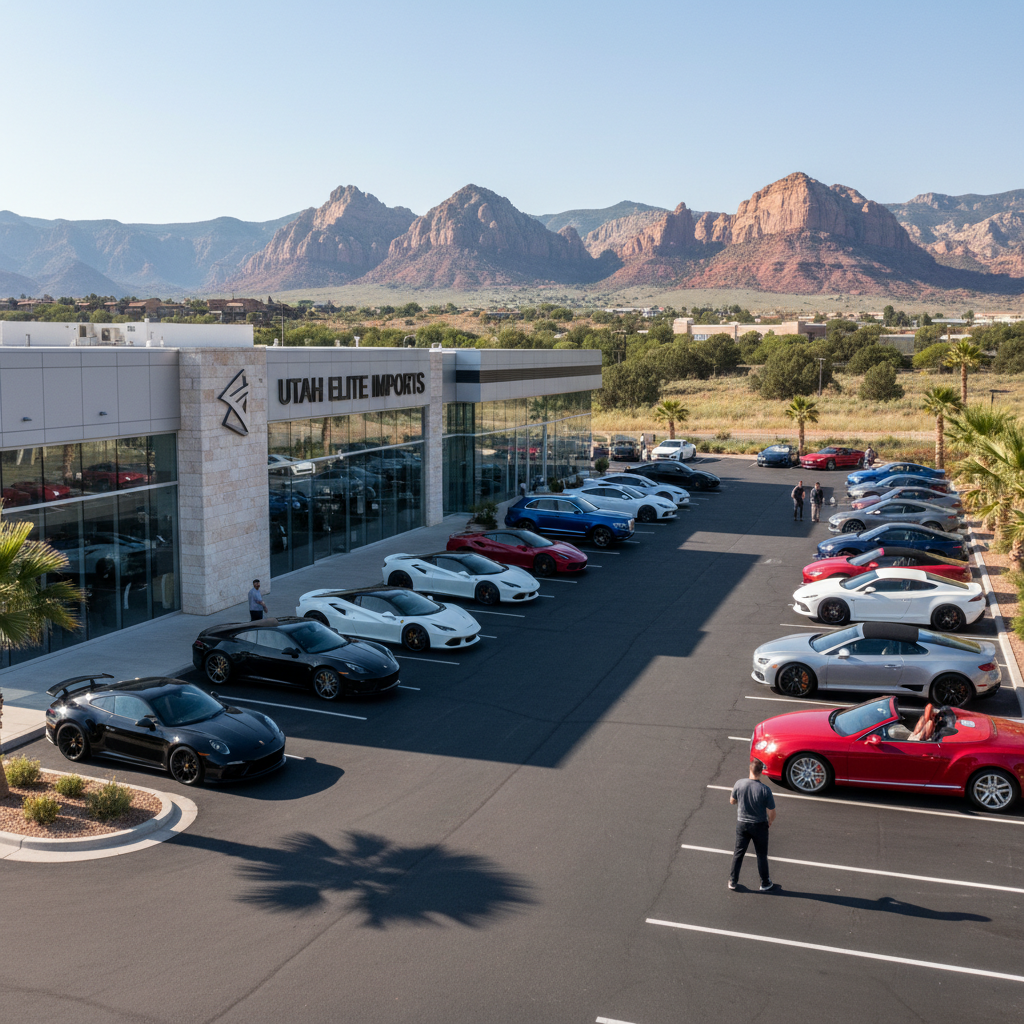
Utah’s luxury car dealerships are facing operational challenges as a result of the increased costs and reduced supply of vehicles. Many dealerships are reporting lower inventory levels as manufacturers struggle to navigate the shifting trade environment.
Dealers are also seeing a decline in consumer confidence, with potential buyers hesitating to make large purchases amid concerns over future price increases. This has led to a slowdown in luxury car sales across key markets in Utah, including Salt Lake City and Provo.
Some dealerships are turning to creative solutions to maintain sales, including offering more aggressive financing options and promotional deals. However, these efforts may only provide temporary relief as long as tariffs continue to disrupt the supply chain and raise costs.
Impact on Consumer Demand
For Utah consumers, the rising costs of luxury vehicles are making high-end purchases more challenging. The increased price tags on imported cars are driving some buyers to seek alternatives, such as domestically produced vehicles or certified pre-owned models.
The price hikes have also affected the used luxury car market, where demand has surged as consumers look for more affordable options. However, with tariffs impacting parts and repairs, maintaining a luxury vehicle has become more expensive, further discouraging new purchases.
Economic uncertainty surrounding trade policies has led to hesitation among consumers who would otherwise invest in luxury vehicles. Analysts predict that this trend will continue unless significant changes to trade regulations are implemented.
Future Outlook for Utah’s Luxury Auto Market
The future of Utah’s luxury auto market remains uncertain as the long-term effects of Trump’s trade policies continue to unfold. Industry insiders anticipate further disruptions if additional tariffs are imposed or if existing ones are extended.
In response, some luxury automakers are exploring options to localize production within the United States to avoid tariffs. However, these shifts take time and significant investment, leaving the immediate future of the luxury auto market in Utah vulnerable to ongoing trade tensions.
As the trade landscape evolves, Utah’s luxury car industry faces continued pressure to adapt. Without relief from escalating tariffs, both automakers and consumers will likely face ongoing challenges in the years ahead.