- calendar_today August 13, 2025
Car Buyers and Dealers Observe Global Price Trends
Maruti Suzuki, the largest automaker in India, raised prices by 4% for its entire model lineup, citing the reason of higher production expenses and supply issues. Maruti Suzuki cars don’t have representation in Utah, but this is a sign of further economic strain that will reflect on car prices in the state. Higher input prices and ongoing global supply chain disruptions will exert the same sort of pressure on the US carmakers, and they will be compelled to execute price realignments for Utah automobile consumers and automobile dealerships.
Why Maruti Suzuki Is Hiking Prices
The secret to the cost increase is the inflation in the raw material cost of steel, aluminum, and rubber. Foreign logistics have also increased following volatility in fuel prices and supply chain breakdown, increasing the cost of producing vehicles. The move by Maruti Suzuki comes after other car manufacturers are finding it difficult to sustain profit margins even when they increase such costs.
As the automotive industry adjusts to these new financial realities, Utah consumers and dealerships are bracing for potential ripple effects in their local market.
How This Could Affect Utah’s Auto Industry
Although Maruti Suzuki’s price hike does not directly impact Utah, global trends in automotive pricing can have downstream effects. Here are some ways this could influence the state’s auto market:
Higher New Car Prices
Utah manufacturers such as Ford, Toyota, and Chevrolet could also face the same cost pressures and reduce their prices accordingly. If the production costs keep on rising, Utah consumers will be forced to pay more sticker prices on new cars.
Growing Demand for Used Cars
When new car prices rise, Utah consumers as a whole will turn to the used market in search of improved bargains. Increased demand could drive up used car prices, and price-sensitive consumers will be less able to locate good bargains.
Inventory Shortages and Supply Chain Delays
Utah automobile dealers would be exposed to changing inventory if manufacturers reduce production rates or assign lower volumes to certain markets. Scarce supply of precious autos would lead to a war for them with a corresponding increase in price.
Some Utah consumers will be in a hurry to purchase their vehicles to lock in today’s prices before additional increases take effect. Others will wait and anticipate stabilization of the market. Such uncertainty can lead to changes in dealerships’ sales patterns.
How Utah Buyers and Dealers Can Prepare
As Utah’s auto market adapts to these possible developments, consumers and dealerships can step forward to get ahead of the pack:
- Customers Should Buy Now: For fear of future price increases, automobile buyers who need a new vehicle may be wise to buy before prices go up. In contrast bargain hunting for dealer incentives and factory rebates, sweeter bargains can also be found.
- Shop Test-Driven Pre-Owned Cars: Consumers can check certified pre-owned cars that offer quality without the entire-new-vehicle tag.
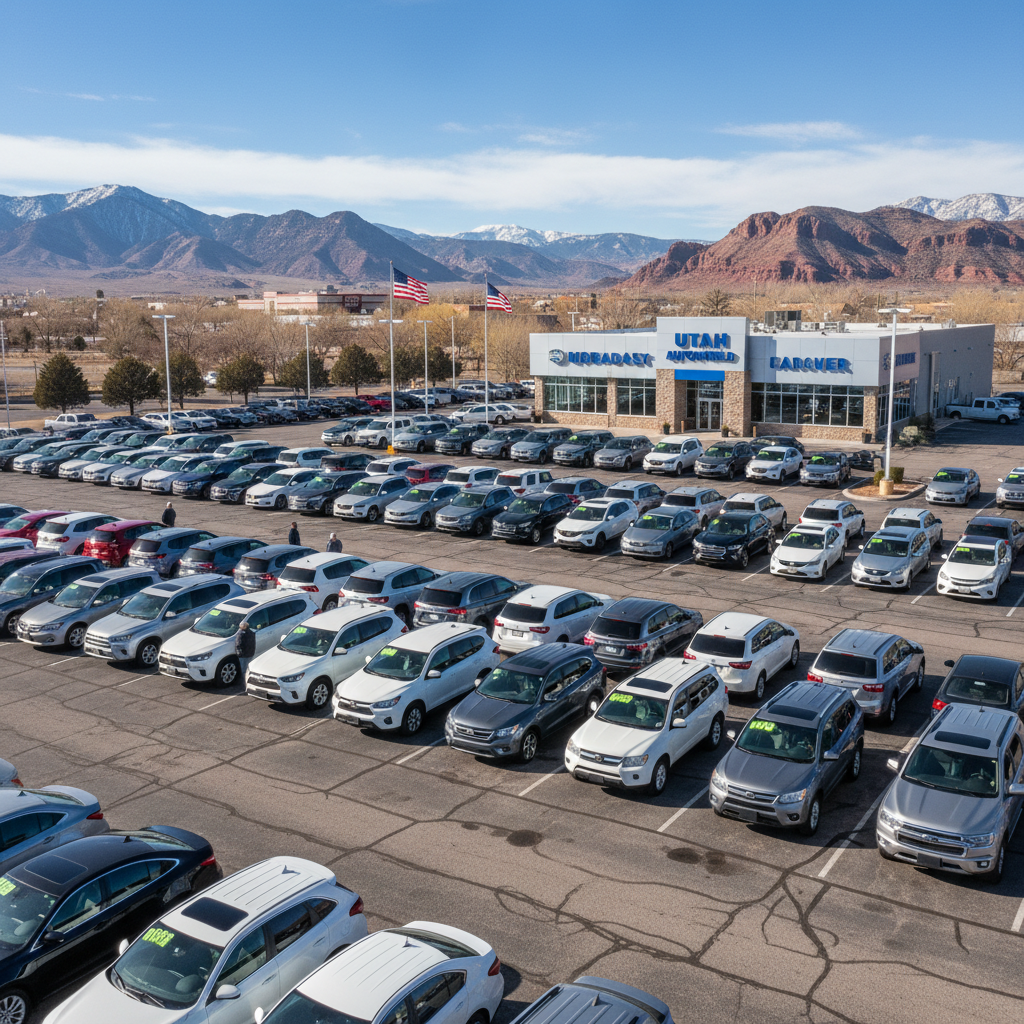
- Dealerships Should Update Inventory Strategies: Utah automobile dealerships can adapt to shifting demands by offering a balanced mix of new and old cars. International trends will assist them in revising prices as well as updating inventories.
- Keep in Touch with Finance Options: Buyers should be made aware of trends in interest rates, while automaker dealerships can offer competing financing packages that attract consumers and make car-buying more manageable.
Conclusion
Maruti Suzuki’s 4% price increase is a sign of the broader financial pressures affecting the global auto industry. While the direct impact on Utah’s market may not be immediate, the decision highlights challenges that could lead to price shifts in the state’s auto sector. By staying informed and making strategic purchasing decisions, both consumers and dealerships in Utah can navigate potential changes effectively and continue to find value in an evolving car market.