- calendar_today June 11, 2026
Utah Identified as Hotspot for Passive Aggressive Driving
Utah has been spotlighted in a recent national study for its high rates of passive aggressive driving, with several of the state’s major roads ranking among the worst for these behaviors. According to research conducted by American River Wellness surveying over 3,000 motorists nationwide, State Street and 400 South in Salt Lake City, as well as University Parkway in Orem, have gained notoriety for tense driver interactions.
Survey Reveals Troubling Driving Behavior Patterns
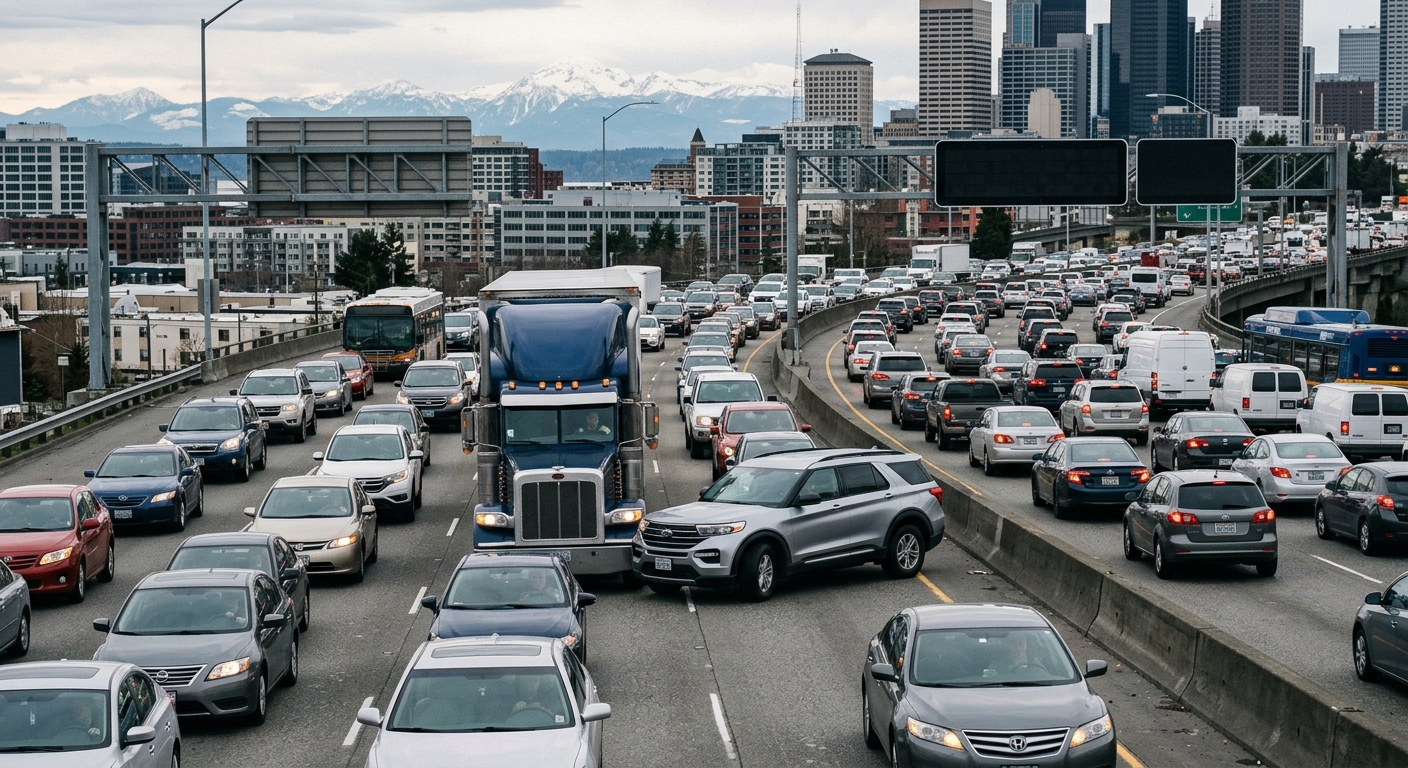
The study focused on identifying common driving behavior issues that contribute to passive aggression on the roads. Among the behaviors reported were last-second lane changes, refusals to allow merging, tailgating without overtaking, and intentionally slowing after being passed. These forms of road manners not only aggravate other motorists but also create a demanding environment for everyday commuters in Utah and beyond.
Emotional Toll on Utah Motorists
Many respondents to the survey experienced persistent motorist frustration, with feelings of anxiety, anger, and exhaustion lingering well after their commutes ended. High-stress zones such as busy downtown intersections and complicated merge lanes were identified as frequent settings for such tensions. “The toll of poor traffic behavior goes beyond just minor irritation—it can set the mood for the rest of the day,” noted one Salt Lake City commuter.
Challenges With Truck Driving Safety
Truck drivers in Utah highlighted particular challenges related to truck driving safety. Motorists cutting close in front of large vehicles remain a serious risk, often caused by a lack of understanding about a truck’s slower stopping distances and limited maneuverability. The study underscores how a disconnect in expectations on the road can lead to preventable traffic incidents and negativity, particularly where truck traffic is heavy along major arterials.
Law Enforcement Sees Widespread Road Aggression
State law enforcement officials confirmed that road aggression and passive aggressive tendencies are not isolated to a single city or stretch of road, but are prevalent statewide. Citing both legal and safety consequences, officials reminded the public that aggressive conduct can lead to citations, accidents, and higher insurance rates. Emphasizing the legal framework around driver anxiety and hostile interactions, authorities called for increased attention to driver courtesy.
Promoting Driver Courtesy and Awareness in Utah
The findings from American River Wellness have sparked conversation among residents and public safety experts about the need for improved driver courtesy. Educational campaigns, reminders about safe merging, and regional initiatives are being considered to address the growing concern. By encouraging more positive driver interactions, Utah communities hope to make a tangible difference in reducing road stress and enhancing overall well-being for motorists and truck drivers alike.
Looking Ahead: Fostering Safer Roads in Utah
With Utah’s roads now recognized at the national level for utah passive aggressive dynamics, the call for civility and understanding has never been stronger. Stakeholders including law enforcement, transportation planners, and local civic groups are working together to reshape driving culture. Addressing traffic incidents and the emotional impact of negative driving experiences may help create a more cooperative road environment across the region.