- calendar_today June 2, 2026
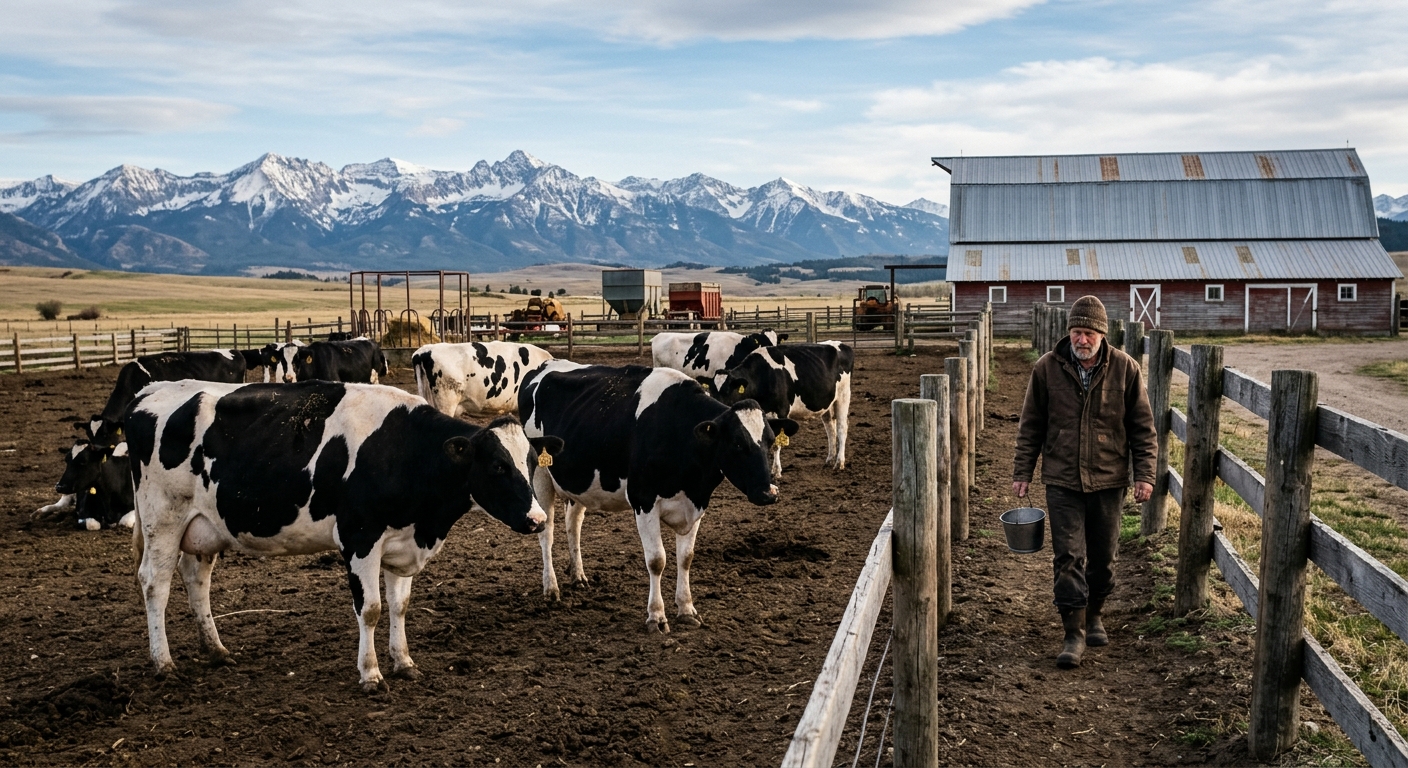
Utah dairy farms in Cache County are now subject to mandatory weekly avian flu surveillance after a recent detection of the highly pathogenic avian influenza (HPAI) in the region. The state’s move to intensify monitoring marks the first detection of the current dairy strain of avian flu since January 2025, prompting swift action from agriculture officials and local producers.
First HPAI Detection Since Early 2025
Authorities confirmed that the sample from a Cache County dairy triggered the first case of the dairy-adapted avian influenza in Utah this year. The Utah Department of Agriculture and Food, with support from federal funding, has begun weekly avian flu surveillance across all dairies in the region. This proactive effort aims to contain the spread of highly pathogenic avian influenza and protect the health of both livestock and communities in Utah.
Quarantine and Control Protocols for Affected Farms
If avian influenza is detected at any Cache County dairy, that operation will undergo immediate dairy farm quarantine. Strict movement restrictions will take effect, limiting the movement of lactating dairy cattle except for direct transportation to slaughter facilities. These protocols are designed to minimize the risk of further transmission between dairy operations and maintain the integrity of the region’s agricultural sector.
No Human Cases or Food Supply Impacts
While the presence of HPAI in Cache County has raised concerns, both the U.S. Centers for Disease Control and Prevention (CDC) and state officials have reassured the public that there is no immediate public health threat. According to the CDC avian flu guidelines, no confirmed cases of avian flu in humans have been reported in Utah to date. Experts continue to monitor for signs of dairy cattle illness or avian disease transmission, emphasizing that the current measures adequately safeguard public health and the food supply chain.
Collaborative Response in Utah Agriculture
The Utah Department of Agriculture and Food is working closely with local dairy producers to develop enhanced response plans, establish robust biosecurity measures, and expand avian flu testing. Dairy workers and producers are urged to stay vigilant and immediately report any illness in poultry or cattle to the State Veterinarian’s Office. These collaborative efforts form the cornerstone of Utah agriculture’s response to mounting disease pressures, ensuring that both producers and consumers remain protected.
Voluntary Surveillance and Statewide Efforts
Although the current avian flu surveillance mandate applies specifically to Cache County dairies, producers elsewhere in Utah can opt into voluntary monitoring programs by contacting the state veterinarian. This inclusive approach aims to strengthen surveillance across the agricultural community statewide, encouraging early detection and limiting potential spread.
Safeguarding the Utah Food Supply
Utah officials have publicly underscored that no major food supply impact is expected as a result of the current HPAI detections. Stringent dairy farm quarantine protocols and consistent avian flu testing provide reassurance that consumer safety is a top priority. State and federal agencies will continue to coordinate to preserve the integrity of Utah’s food systems amid ongoing avian influenza challenges.
Regional Readiness and Industry Outlook
Cache County’s proactive measures highlight the importance of robust surveillance, rapid reporting, and collaborative biosecurity planning. With no human cases attributed to this outbreak and minimal food supply disruption, industry observers view Utah’s response as a critical template for other regions that may face similar risks. Stakeholders remain optimistic that coordinated avian flu surveillance and response efforts will keep both the state’s dairy industry and the wider community resilient.