- calendar_today August 24, 2026
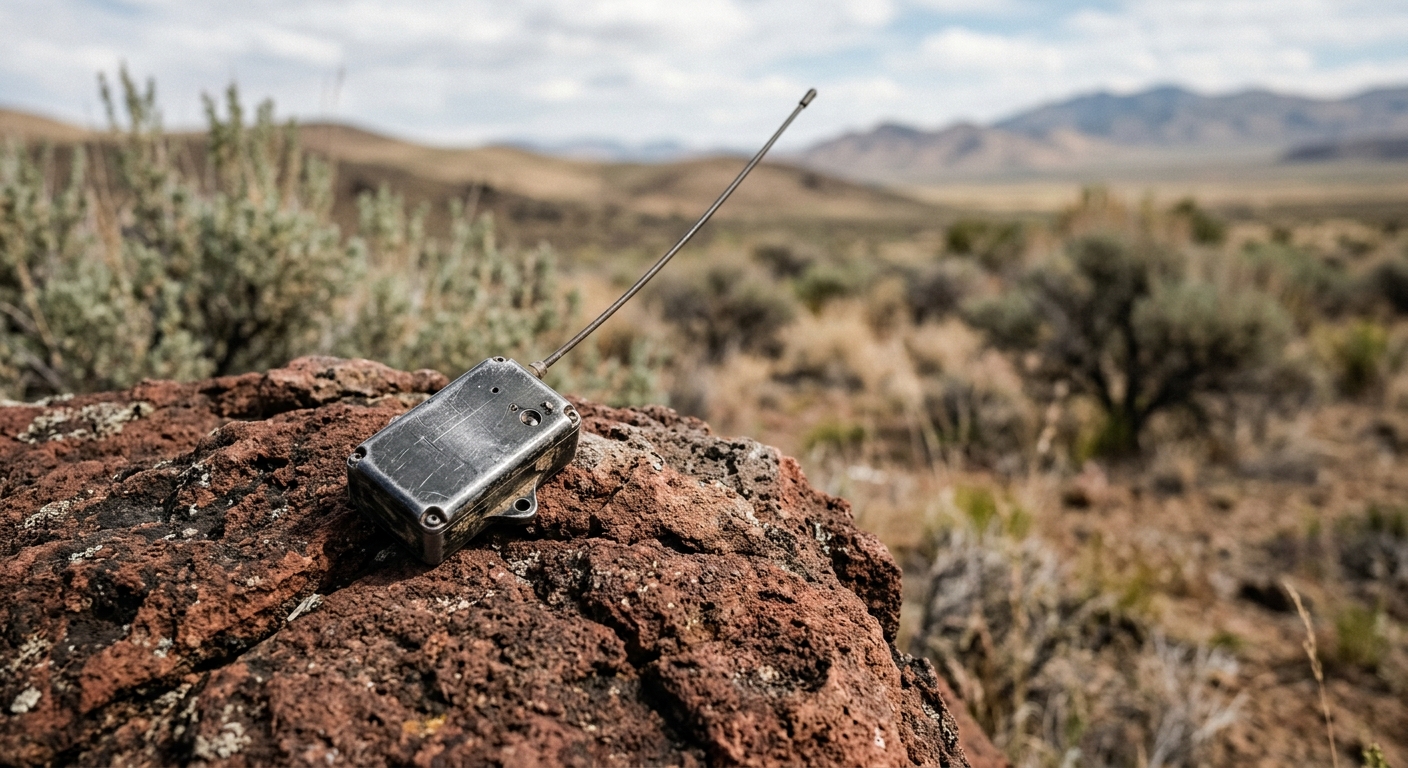
In Utah, the emergence of a newly identified tracker probe is prompting renewed analysis of contemporary tracking technology and its expanding influence across research, navigation, and security sectors. While the image in question—a compact 1×1-sized unit—offers limited visual information, preliminary assessments by technology analysts suggest its potential role as a sophisticated tracker or monitoring device.
Understanding Tracker Probes
Tracker probes represent the latest generation in tracking equipment, relying on meticulous design to provide accurate data while remaining unobtrusive. Typically small in size, these probes are engineered for a variety of applications, including wildlife research, logistics, and security-oriented uses. Utah, with its active research institutions and high-tech businesses, has become a hub for adopting and testing such devices in real-world environments.
Applications in Surveillance and Research
The significance of identifying devices like a tracker probe lies in their adaptability. In scientific contexts, researchers may deploy probing trackers to gather environmental or movement data from discreet subjects. Law enforcement and private security teams might utilize similar tracking devices for surveillance or asset monitoring. The proliferation of tracking systems throughout Utah demonstrates a growing local interest in leveraging advanced tracking technology for both public and commercial objectives.
Innovation in Utah’s Monitoring Landscape
Utah’s research environment, supported by universities and technology incubators, fosters the rapid evolution of tracking tools optimized for challenging terrain and specialized missions. Local startups have developed miniaturized probes, such as small trackers and sensor-equipped units, which amplify both the mobility and precision of tracking signals. This has significant implications for outdoor navigation, resource management, and scientific fieldwork across the region.
Challenges in Identification and Deployment
Despite clear benefits, pinpointing the exact function of a tracker probe from a single image can be challenging. Factors such as form factor, embedded sensors, and broadcasting capabilities help experts determine whether the device functions as a navigation aid, environmental monitor, or surveillance component. Ongoing evaluation of the 1×1 image by Utah-based technologists underlines the necessity of further analysis to reach a conclusive determination. Nevertheless, initial impressions favor its identification as a specialized tracking device.
Ethical and Security Considerations
The growing presence of tracking technology, including advanced tracker probes, raises important questions about privacy and responsible use. Utah’s policymakers and academic leaders are increasingly attuned to the debate, balancing innovation with ethical guidelines. Discussions regarding the lawful deployment of tracking tools ensure that regional advancements in tracking equipment align with public interests and regulatory frameworks.
Looking Ahead: Utah’s Technological Future
As Utah solidifies its reputation as a leader in high-tech R&D, the discussion around the tracker probe spotlighted by the 1×1 image reflects broader trends shaping the state’s future. Whether in the context of environmental research, enhanced security, or navigation, the adoption of next-generation tracking systems and devices signals a continued regional investment in both technological progress and thoughtful oversight. For Utah’s communities, these innovations promise improved services, increased safety, and expanded opportunities for research across diverse fields.