- calendar_today August 26, 2025
The release of Android 16 comes after months of anticipation and testing. Google has initiated the rollout of its newest mobile operating system version with Pixel phone users receiving priority access. Pixel phone owners will soon receive an over-the-air update. The system images and update files for Android 16 are available now on Google’s developer page.
Right now, there won’t be a massive introduction of new features with Android 16’s release. The first release of Android 16 adopts a modest approach similar to other recent updates from Google. The most exciting updates will be released later in the year. This release contains several important improvements specifically aimed at Pixel users.
The notification experience has received a major redesign which stands out among the update’s features. Bundled notifications were first introduced in Android Nougat 7.0 by Google to help reduce notification clutter and Android 16 builds upon this feature to enhance its functionality. The updated system compels applications to consolidate several notifications into one expandable entry which helps to organize notifications more efficiently.
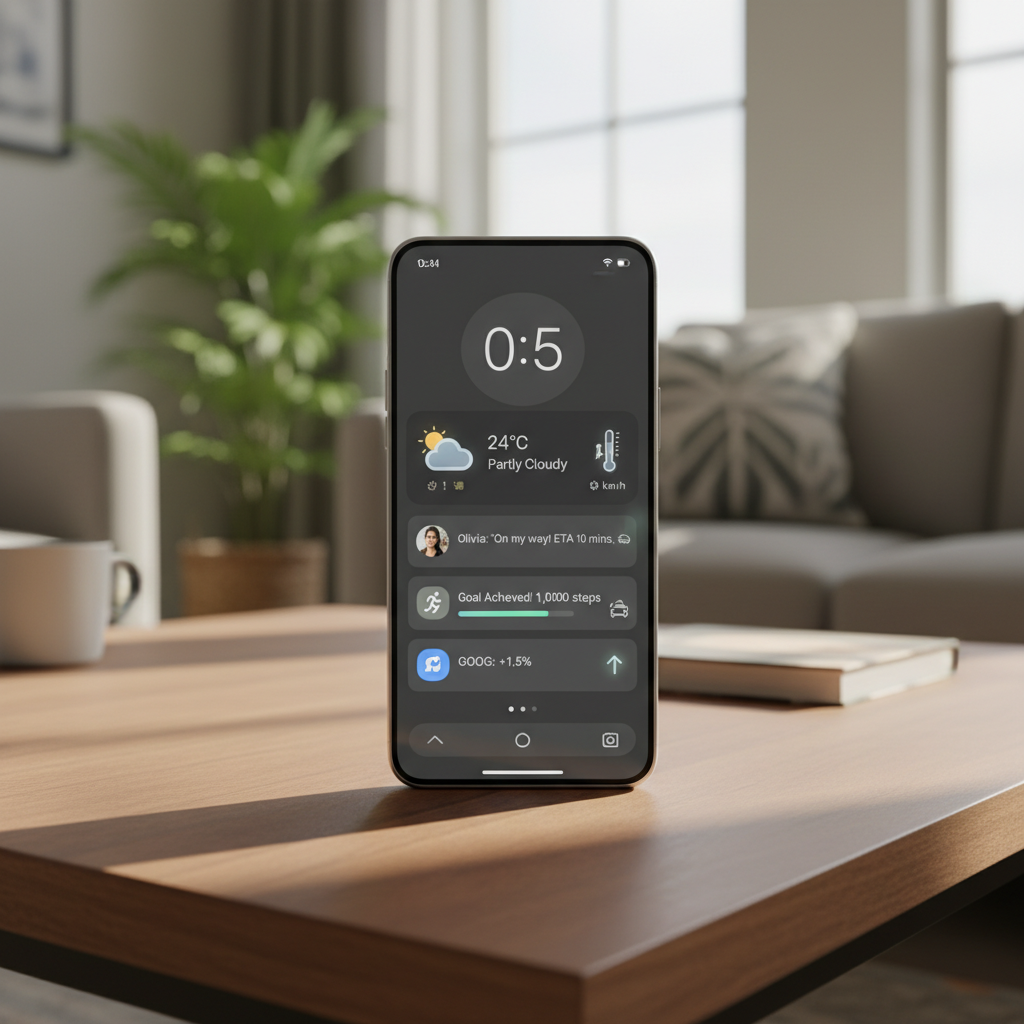
Live update notifications represent a small yet useful enhancement to the system. The initial implementation of this feature will focus on rideshare and delivery applications. A tiny icon appears in the status bar to display real-time updates for users. When users tap the icon it will expand into a pop-up that displays a live progress bar. Google has partnered with Samsung and OnePlus to implement this feature via Samsung’s Now Bar and OnePlus’ Live Alerts in their distinct Android interfaces.
The system-wide Advanced Protection feature is now embedded into Android 16 for enhanced security. Previously requiring a connection to your Google account this functionality is now integrated directly into the OS. Devices connecting to obsolete 2G networks are blocked and USB device access faces restrictions while insecure websites receive automatic flags when this feature is enabled. The enhancement provides important security improvements for users who want to strengthen their device protection.
There’s also something fun for Pixel users. The Pixel Studio app and Emoji Kitchen in Android 16 now enable users to create their custom emoji designs. The generative AI feature enables users to combine different emoji elements into entirely new creations.
The new operating system release includes numerous hidden backend modifications for developers. Any Android 16 (API level 36) targeted applications will automatically adapt to display properly on big screens such as foldables and tablets. Apps on larger devices will benefit from smoother performance and consistency because Google has been urging developers to work on this aspect. The update includes improved camera APIs which enable applications to access capabilities such as motion photos, night mode detection, hybrid auto-exposure, and HDR screenshot support.
Google continues its policy of restricting background processes. The update will impact older or poorly maintained apps negatively but it will enhance system performance and battery efficiency.
Google is introducing a new Pixel Drop alongside Android 16 which features special perks available only on specific devices. Pixel VIPs represent a significant enhancement to the standard favorite contacts feature. When a contact is designated as a VIP their information becomes accessible through a special interface. The feature showcases recent Messages and WhatsApp exchanges, birthday information along with the location details if shared. VIP contacts have the ability to override Do Not Disturb settings which allows for uninterrupted communication.
The Pixel Drop rollout includes Expressive Captions being extended to users located in the UK, Australia, and Canada. The Magnifier app now includes better hearing aid support and real-time search capabilities. The new features are understated yet improve both accessibility and daily use.
Users have access to Android 16 but the major features are yet to be introduced. The new Material 3 Expressive design language unveiled by Google last month has not been included in this update. The release date for this feature will occur later in the year with initial availability on Pixel devices. The development community has been encouraged to start getting ready for the upcoming visual changes.
The roadmap indicates that Android will finally include the long-anticipated desktop mode. The new feature will enable tablets and certain phones to connect to external displays while utilizing floating windows to simulate a classic desktop environment. Google and Samsung collaborated to enhance the DeX windowing system. It should be noted that devices like the Pixel 9 Pro Fold will not support on-device windowing functionality but will instead provide desktop projection capabilities for external displays. Device manufacturers can choose between implementing this feature or continuing to use conventional screen mirroring.
The launch represents a fundamental change to Google’s Android version release schedule. Google has altered their release pattern to launch major Android versions in late spring instead of fall releases with new Pixel hardware and plans to release additional updates throughout the year that focus on APIs and features.
Android 16 doesn’t debut with major features but establishes the foundation for upcoming significant updates. This launch may lack fanfare but positions things for an exciting second half of 2025.