- calendar_today August 8, 2025
Subheading:
Price Stabilization Despite Nationwide Volatility
Utah has long been one of the fastest-growing housing markets in the western U.S., but as 2025 unfolds, a sense of balance is emerging. After a period of steep price growth between 2020 and 2022, home values in key urban areas like Salt Lake City, Ogden, and St. George have begun to plateau. Median home prices remain elevated compared to pre-pandemic levels, but the pace of appreciation has slowed.
This moderation is welcomed by both buyers and sellers. Homebuyers—many of whom are local families are seeing slightly more manageable asking prices. At the same time, homeowners continue to benefit from substantial equity built during the boom years.
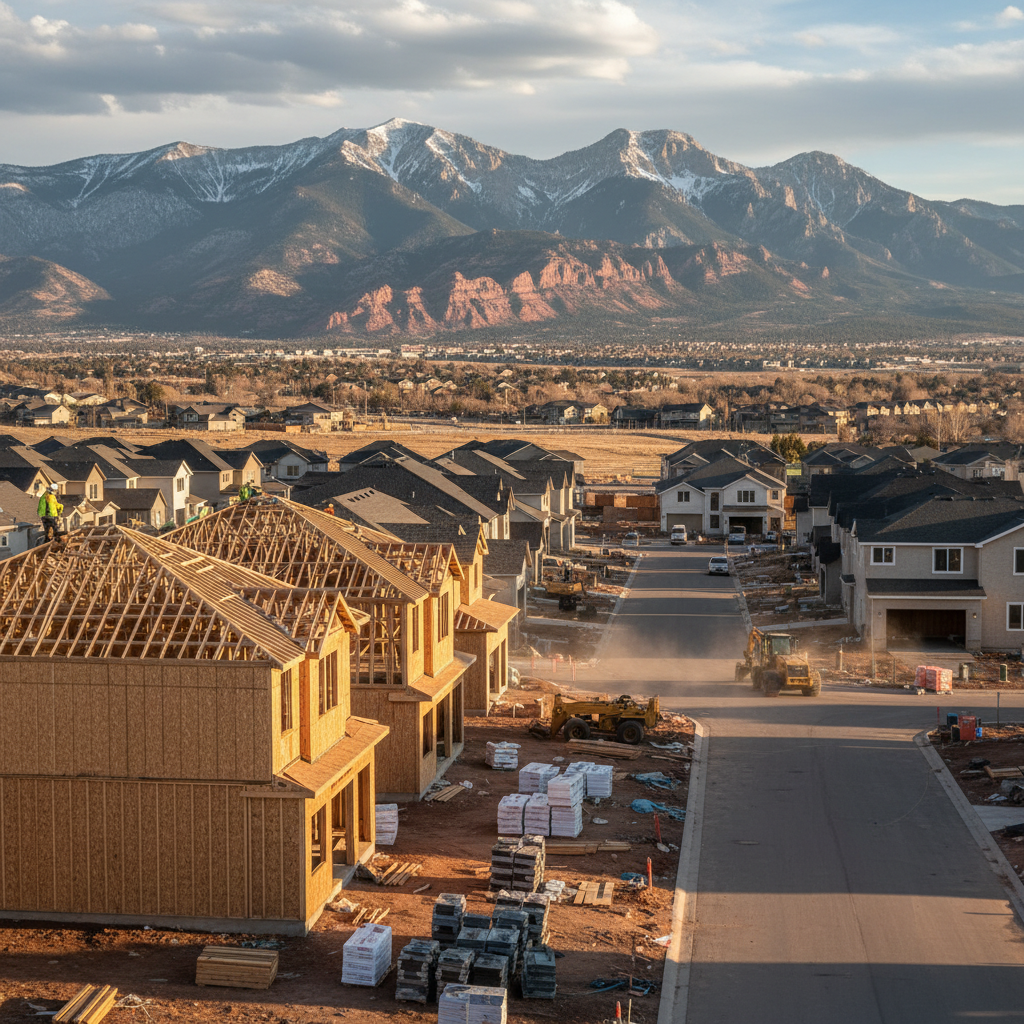
One of the most promising signs in Utah’s 2025 market is the increase in housing inventory. In response to years of demand outpacing supply, residential construction has picked up statewide. Cities along the Wasatch Front are experiencing a surge in multifamily developments, while suburban and exurban regions are seeing an uptick in single-family home builds.
Areas like Saratoga Springs and Herriman are expanding rapidly as developers respond to affordability needs by offering more diverse housing options. Although labor shortages and material costs remain hurdles, state incentives and zoning reforms have helped move projects forward.
Migration and Population Growth Continue
Utah’s robust in-migration trend shows no sign of slowing. Fueled by a strong job market, access to outdoor recreation, and a family-friendly environment, the state continues to draw residents from California, Colorado, and Arizona. Salt Lake City, in particular, remains a hotspot for tech workers and remote professionals.
The state’s population growth is putting pressure on housing demand, especially in urban cores. This trend keeps competition stiff, especially for entry-level homes. However, a growing number of new residents are choosing outer-ring cities such as Spanish Fork, Logan, and Tooele, contributing to a more geographically dispersed housing market.
Affordability Remains a Pressing Concern
Despite moderating prices, affordability remains a persistent challenge for many Utahns. The state’s median income has not kept pace with rising home costs over the past decade, leaving many first-time buyers priced out of the urban market. The affordability gap is particularly pronounced in Salt Lake and Utah counties, where younger households struggle to compete.
To counterbalance this, some buyers are turning to manufactured homes or shared equity programs. Nonprofits and municipalities are also stepping in with down payment assistance, though these efforts have yet to fully close the gap.
Rental Market Strengthens as Homeownership Lags
Utah’s rental market is also undergoing changes. As mortgage rates hover near 7%, many potential homebuyers are choosing to rent longer. This has led to increased demand in the apartment sector, especially in walkable neighborhoods near universities and downtown districts.
Rents, which spiked during the pandemic, have now stabilized—but remain higher than pre-2020 averages. Investors continue to show strong interest in the rental market, with several large-scale developments underway in Provo and West Valley City.
Tech Industry Influence and Economic Growth
Utah’s economy—led by a booming tech sector known as the “Silicon Slopes”—continues to play a pivotal role in the housing landscape. Job creation in the technology and healthcare industries has attracted skilled workers from across the country. These high-income earners are driving demand for both luxury homes and mixed-use developments.
Additionally, commercial real estate projects are reshaping city skylines. Mixed-use hubs are being prioritized in places like Lehi and Draper, where employers and residents seek live-work-play environments.
Investment Shifts: From Urban Core to Outer Communities
While downtown areas in Salt Lake City and Provo still attract investor attention, there is a noticeable shift toward suburban and even rural regions. Investors are targeting areas like Payson, Eagle Mountain, and Cedar City for their relative affordability, growth potential, and development-friendly policies.
Institutional buyers are also taking a more cautious approach in 2025. After rapid acquisitions in 2021–2022, many are now focusing on targeted build-to-rent communities or value-add renovations instead of large-scale purchases.
Environmental and Infrastructure Considerations
As Utah continues to grow, concerns about water availability, wildfire risk, and infrastructure capacity are rising. Many buyers now consider environmental resilience and sustainability features as key factors when purchasing property.
In response, developers are incorporating drought-resistant landscaping, energy-efficient systems, and transit-oriented design into new communities. Infrastructure upgrades are also underway to accommodate population growth, especially in transportation corridors.